Man With Van in Golders Green

Man With Van Golders Green provides a practical removals service for people who need items moved with care, flexibility and sensible planning. The focus is on straightforward transport support for home moves, furniture pick-ups, small office relocations and other load-and-carry jobs that do not call for a full-scale removal team. If you want a vehicle-based moving service that can handle individual items or a more modest load, our work is organised around that need.
We support a range of moving tasks through a man with a van approach that suits customers who want help with lifting, loading and transport in one arrangement. The service can be used for single pieces of furniture, small household contents, and business items that need to be moved securely from one address to another. The aim is to keep the process direct, measured and suitable for the size of the job rather than pushing you into a bigger service than you require.
For a broader moving arrangement, our removal services can cover the practical work involved in shifting goods safely and efficiently. That may include handling awkward items, coordinating access, and making sure the move is planned around the space available at both ends. Clear communication matters because the right vehicle, loading method and route choice all depend on what is being moved and how it needs to be handled.
Home moving support for smaller loads
Our home moving work is suited to people relocating part of a property, moving selected rooms, or taking furniture and boxes to another address without commissioning a full house removal. A home moves service can be helpful where the load is straightforward but still needs careful lifting and secure transport. It is often a sensible option for short-notice changes, partial moves, or situations where personal belongings need a more attentive approach than self-drive transport alone.
We also work with customers who need a house removals style of service when the move is more substantial. Even then, the arrangement can still be scaled to the actual volume being carried, which helps keep the work proportionate. Typical items may include beds, wardrobes, desks, chairs, white goods and packed boxes. Where an item is bulky or delicate, we plan the loading order so it sits properly in transit and can be unloaded in the right sequence.
What the moving load usually involves
The items carried on a man with van job can vary widely, but the main concern is always how to move them safely. Common work includes furniture pick-up, clearing selected rooms, moving storage items, and transporting purchased goods from a seller or shop. When needed, we can also include lifting assistance so customers are not left to handle heavy or awkward pieces alone. Good packing and sensible stacking help reduce movement during the journey and make unloading simpler at the destination.
Furniture transport and one-off pick-ups

Furniture transport is one of the clearest uses for a man with a van service. Many jobs involve collecting a single item or a small group of items that are too awkward for a standard car. Our furniture pick-up page reflects that sort of work: collection, careful loading, transport, and delivery to the required address. It is especially useful when a customer has bought something large, inherited a piece, or needs furniture moved between rooms, storage or premises.
Some items need a steadier approach than others. Sofas, cabinets, dining tables, mattresses and bookcases can be bulky, while mirrors, glass shelving and ornaments may need extra care. A moving service is more effective when the loading order is sensible and the van space is used well, so heavier pieces are secured first and smaller pieces are placed where they are less likely to shift. We aim to manage the job in a way that supports both the item and the destination it is heading to.
If you are arranging several pieces at once, it can help to think about how they will be unloaded as well as how they are lifted. Items required immediately should be near the access point, while heavier goods can be positioned so they do not trap lighter boxes or fragile objects. Pricing and quotes are usually influenced by the amount to carry, access at both addresses and the level of handling needed, so a clear description of the load supports a more accurate response.
Office and business removals
Commercial moving work needs a slightly different rhythm from household transport because business items often have to be handled around working hours, access rules or building layouts. Our office relocation services are suitable for desks, chairs, filing pieces, boxed records and equipment that must be moved without unnecessary disruption. This type of work is usually planned around the items themselves, the route between sites and the order in which the office needs to be ready again.
For smaller business jobs, office removals can support everything from a few desks and monitors to a compact set of supplies or archive material. The process is not just about carrying items out and in again; it is also about keeping them grouped sensibly so that furniture, documents and equipment can be identified when they arrive. That makes the service useful for start-ups, independent firms and organisations with occasional relocation needs.
Planning the commercial move
Business transport often benefits from a simple plan. Start with the main pieces, then identify which smaller items belong with them. Workstations, screens, printers, cupboards and paperwork all behave differently in transit, so the loading order should reflect what is being carried. A well-ordered move also helps reduce downtime, because unloading is smoother when the items are already grouped in a logical way for their new setting.
Packing, lifting and secure handling
Some customers want help beyond transport alone, especially when time is limited or items are difficult to prepare. Our packing and unpacking services can support a move where boxes, household goods or office items need to be organised before loading and then placed sensibly on arrival. This is useful when the contents include mixed sizes, loose objects or items that should not be carried unprotected. Thoughtful packing can save time during the move and lower the chance of damage from shifting contents.
Handling is just as important as packing. Heavy pieces need to be lifted with an understanding of balance and access, while lighter or more fragile goods should be protected from compression. Where an item is awkward in shape, we plan how it will travel rather than trying to force it into the van space. Insurance and safety information is relevant here because it reflects the importance of moving goods with care and using sensible precautions at every stage.
Practical preparation is usually simple: group the items that are going together, make sure pathways are usable, and keep key details clear when you request a quotation. If stairs, narrow entrances or parking restrictions are involved, mention them early so the move can be planned properly. That is not about creating extra fuss; it is about matching the service to the real conditions of the job and avoiding avoidable delays.
Why a van-based removals service can be the right fit

A van-based removals service sits between self-moving and a large-scale removals operation. It gives customers help with the lifting and transport side while remaining better suited to modest loads, focused collections and address-to-address transfers. Our man and van removals page reflects that middle ground, where a smaller move still needs the structure of a professional service without the scale of a full house clearance.
There are many occasions when that approach makes sense. A student move, a spare-room clearance, a furniture exchange, or the movement of a few office items can all be handled effectively this way. The main advantage is flexibility: the service can be matched to the amount of cargo, the access available and the level of support needed. That keeps the move economical in practical terms because you are only organising the help the job genuinely calls for.
For customers who want a simpler label, our man with van removal option points to the same kind of service idea: a vehicle, loading support and transport handled as one arrangement. It is especially useful when the move includes mixed items rather than a single category of goods. The key is not the name on the service, but whether the load can be handled safely and in a way that suits the journey ahead.
About Golders Green
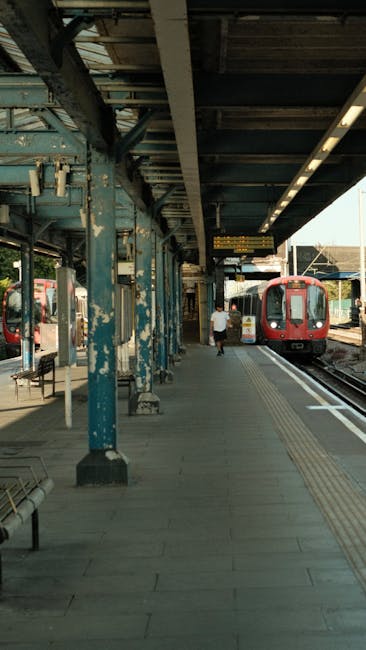
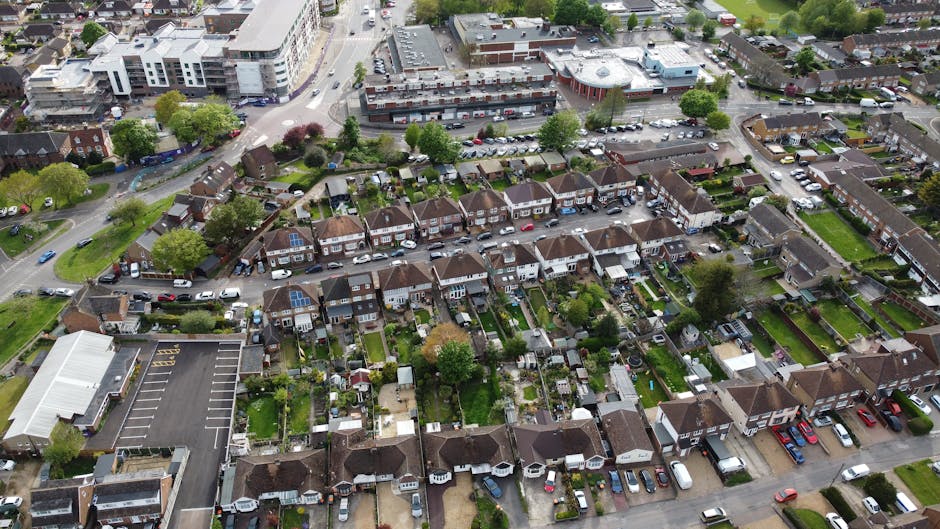
Golders Green is a district in the London Borough of Barnet, in northwest London, and it is known for its blend of residential streets, local shops and busy transport connections. The area grew significantly in the early twentieth century after the extension of the Northern line helped turn it into a more accessible suburban centre. Golders Green station remains one of the best-known landmarks, while nearby road links connect the district with Finchley, Hampstead and the wider north London network. The place also has a strong cultural identity shaped by migration, faith communities and long-standing local commerce. Golders Green Road forms a major commercial spine, with a mix of independent businesses and familiar high-street uses. The district is also closely associated with Golders Hill Park, which offers landscaped grounds, woodland, a small animal area and views towards the wider Hampstead Heath landscape. The nearby heath itself is one of London’s most recognisable green spaces, valued for its ponds, open grassland and varied walking routes. Golders Green Crematorium, opened in 1902, is another historically significant site, and it reflects the area’s role in London’s civic and cultural life. Together, these features give Golders Green a character that is urban but not uniform, combining main-road activity, quieter residential pockets and access to large open spaces. Its setting makes it part of a broader pattern of north London development, where transport, commerce and open land sit close together and shape the feel of everyday movement through the district.
Choosing the right moving support
When you are deciding how to arrange a move, the important question is often not how large the job sounds, but what the load actually requires. A few large items may need more care than a greater number of small boxes, and a short journey can still call for secure loading and a sensible vehicle layout. Our movers service covers that broader practical thinking, where the focus is on carrying the goods efficiently rather than adding unnecessary extras.
The same applies to residential jobs of different sizes. A customer moving between flats may need help with stairs, corridors or narrow doorways, while another may only need a single collection from storage or a seller. For those situations, house movers can be a useful service reference because it reflects the same careful approach to lifting and transport. The value lies in matching the work to the property, the furniture and the amount of handling involved.
If you want to keep the arrangement simple, it helps to identify the main pieces first and then the supporting items that travel with them. That makes it easier to decide what needs wrapping, what should be taken apart, and what can travel intact. It also gives you a clearer picture of how the move will flow from collection to delivery, which is the basis of a well-organised man with a van job. Accurate details at the outset make the whole process easier to coordinate.
Transport options for different kinds of load

Some customers simply need a moving van for the transport element of a job, while others want a service that includes carrying, loading and unloading too. The right choice depends on the items, the route and the help available at either end. A vehicle-only arrangement can suit those who already have lifting support, whereas a fuller service is better when heavy or awkward items are involved and the move needs a more managed handover.
We also support moves where the emphasis is on the vehicle and cargo space itself. A moving truck page may be relevant to larger loads, but the principle remains the same: the transport method should be appropriate to the number and size of items. Overloading a smaller vehicle or leaving gaps that allow movement are both poor outcomes, so the arrangement should be designed around the goods rather than forcing the goods to suit the vehicle.
For customers comparing options, it is useful to think about access, item weight, fragility and the order of delivery. If several stops are needed, the load plan should reflect that sequence. If one object needs particularly careful handling, it should be positioned so it can be removed without disturbing the rest. The service is therefore less about a fixed formula and more about making the moving day work in a practical, controlled way from start to finish.
Getting ready for a quotation
To request a quotation, it helps to give a clear picture of what is being moved and where it is going. Mention the main items, the number of boxes if relevant, and any access details that could affect loading or unloading. If you have parking limits, stairs, lift use or fragile objects to consider, include that too. The more accurate the outline, the easier it is to suggest a suitable arrangement without adding unnecessary complexity.
One good approach is to list the items in the order you would like them loaded or unloaded. That is especially helpful when some things need to be delivered before others, or when a single piece of furniture is the main priority. If the load includes mixed domestic and business goods, say so plainly, because different categories may need different handling. For a straightforward move, a short written summary is usually enough to begin the discussion.
For the next step, you can contact us to ask for a quotation and outline the job in simple terms. If you are comparing different types of removal help, it may also be useful to review removals alongside your own moving requirements so you can match the service to the scale of the task. Either way, a clear request is the best starting point for a practical response.
More than one way to manage a move

Not every move needs the same level of support, and that is why it can help to look at the job in layers. Some customers need only collection and transport, while others need packing, loading and careful placement at the destination. A compact move can be handled efficiently when the work is grouped correctly, and a more involved move can still be kept orderly if the preparation is sensible. That is where the difference between a simple van journey and a fuller removals arrangement becomes important.
Our approach also suits customers who need to move items between properties, storage units or business premises without making a complicated production of it. Whether the job is a single appliance, a few pieces of furniture or several boxes and desks, the aim is to keep the service responsive to the load. You can begin with a basic summary and then add the practical details that matter most, such as access, timing and item type. If you are ready to go ahead, a quick enquiry is enough to start the process.
For customers who want to compare related options, removals near me may be a useful page to review, while the next practical step remains simple: ask for a quotation and describe the move clearly. From there, we can consider the vehicle, the handling needs and the delivery details together. If your move is straightforward, that is all that is needed to take it forward in a sensible way.