Barnet Council permits for Golders Green removals explained
Posted on 26/06/2026
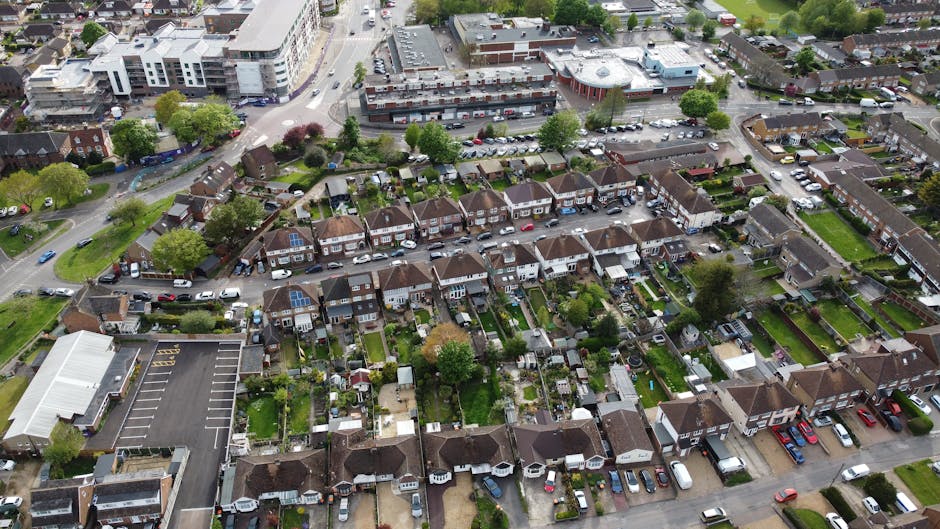
If you are planning a move in Golders Green, the permit question can feel like the annoying bit nobody warned you about. Do you need one? Who applies? What if the van is only stopping for twenty minutes? Barnet Council permits for Golders Green removals explained, in plain English, means understanding when your move affects parking, loading, or road use enough that you may need permission before moving day. Miss that step and a straightforward removal can turn into a stressful, expensive scramble.
This guide walks you through the practical side of the process: when permits tend to matter, how they usually work, what movers should check before arrival, and how to avoid the common traps that catch people out in NW11. I'll keep it human and local, because let's face it, no one wants to spend a moving morning staring at yellow lines and wondering if the driver is about to get a ticket.
Why Barnet Council permits for Golders Green removals explained Matters
In Golders Green, the issue is rarely the furniture itself. It is the street. Narrow residential roads, limited loading space, permit bays, controlled parking zones, and the occasional awkward driveway all shape how a move actually happens. A permit may be needed where a removal van must park in a restricted bay, wait in a controlled area, or block part of a road while items are loaded. Even when a permit is not strictly required, planning as though it might be can save time and stop avoidable stress.
That matters because removals are timed events. The crew, the van, your key collection, the lift booking, the final clean, the neighbour who wants out of the driveway at 10:30 sharp - all of it stacks up. One parking issue can knock the whole sequence off balance. If you want the wider moving picture, it helps to look at practical ways to keep the day calm and how hidden charges can sneak into removal quotes.
There is also a financial side. A permit problem can mean extra waiting time, a second vehicle movement, or avoidable parking penalties. None of that is ideal when you are already paying for a house move, office move, or flat relocation. To be fair, a little admin on the front end is almost always cheaper than cleaning up a mess on the day.
How Barnet Council permits for Golders Green removals explained Works
The exact process can vary depending on the street, the timing, and whether you are using a moving company or arranging the move yourself. In practical terms, the permit question usually comes down to three things: where the vehicle will stop, how long it will stay, and whether the road markings or local restrictions allow that stopping point without formal permission.
For a typical Golders Green removal, there are a few common scenarios:
- Loading bay or permit bay access: The van may need to use a designated loading area or a space that is normally reserved or time-restricted.
- Controlled parking zone considerations: Some roads have specific rules that affect short stops as well as longer parking.
- Temporary obstruction: If the move involves holding space outside a property, the council may expect advance coordination depending on the location and impact.
- Suspension or special permission: In tighter streets, a temporary parking suspension can sometimes be relevant, especially where normal bays are not workable.
In plain language, the council is trying to manage road use fairly. Your removal crew wants the van as close as possible to the property. The council wants traffic flow and parking rules respected. The sweet spot is figuring out the workable compromise before moving day, not during it.
A good removal plan starts with a street-level view. Is there a bay near the entrance? Will the lift or staircase delay loading? Is the road wide enough for a removal van without causing hassle? Articles like staircase and lift solutions for Golders Green roads and moving guide tips for narrow Victorian flats are useful because they show how access issues and permit needs often overlap.
Key Benefits and Practical Advantages
It is easy to think of permits as paperwork for the sake of paperwork. They are not. When handled properly, they make removals smoother, safer, and more predictable.
- Less risk of parking penalties: If the van is stopping where a restriction applies, the paperwork helps reduce the chance of a fine.
- Better loading access: Closer parking usually means fewer carries, less time on foot, and lower strain on the team.
- Cleaner scheduling: With access sorted, the removal crew can work to a realistic plan instead of improvising.
- Less neighbour friction: Nobody enjoys blocking a driveway or holding up a shared street unnecessarily.
- More confidence for tight moves: Especially in flats, terrace roads, and narrow lanes, it removes one big unknown from the day.
There is also a subtle benefit many people miss: permits help you think about the move as a system. Once parking is sorted, you naturally think more clearly about packing, timing, and route planning. That often leads to fewer surprises overall. If you are still in the planning stage, packing advice for a stress-free move and simple decluttering methods can make the whole process feel lighter.
Expert summary: The best permit strategy is not just about compliance. It is about making sure the van can park safely, the crew can load efficiently, and your move keeps moving without last-minute panic.
Who This Is For and When It Makes Sense
Not every Golders Green removal needs a council permit. Some properties have private driveways, quiet side access, or straightforward loading space that makes the issue almost irrelevant. But if your move involves any of the following, the permit question becomes much more important:
- parking on a restricted street or within a controlled zone
- a flat move with limited kerb access
- a bulky move involving sofas, beds, pianos, or wardrobes
- shared access in a block of flats
- moving on a busy weekday when road space is tight
- same-day or urgent removals with little buffer time
If that sounds familiar, you are exactly the kind of person who benefits from checking parking and permit needs early. For a student move, for example, the van might only stop briefly, but the building access could still be awkward. That is why many people also review student removals support in Golders Green or what to expect from an urgent same-day removal before they commit to a date.
One more thing: if your move involves particularly heavy or awkward items, the parking setup matters even more because loading takes longer. A piano, for instance, is not something you want to shuttle from far down the road in the rain. Nobody needs that drama at 7:45 on a Tuesday morning.
Step-by-Step Guidance
Here is the practical route I would suggest. Keep it simple and start early. That really is the trick.
- Check your property access first. Look at the road, the frontage, the bay markings, and whether there is any realistic place for a removal van to stop safely.
- Decide what type of move it is. House move, flat move, office move, or man-and-van job? Different setups create different parking pressures.
- Map the timing. Morning moves can be calmer, but they can also clash with commuter traffic and school runs. Midday may be easier in one street and worse in another.
- Ask whether a permit or suspension is needed. If the van must use a restricted bay or stop in a controlled area, check this before confirming the schedule.
- Build in a buffer. Even a small delay - a lift that is already in use, a neighbour's car, a delivery truck - can add pressure.
- Confirm with the removal team. Make sure they know about access, bay restrictions, and any time limits. Good operators plan for this as standard.
- Prepare the property. Label boxes, clear corridors, and keep the entrance unobstructed. This cuts loading time dramatically.
For heavier household items, it also helps to think about handling and route. If you are moving furniture, a useful companion read is furniture removals in Golders Green, while delicate items like uprights deserve special care and specialist planning. And yes, the same goes for beds and mattresses, which are always bigger than they look when they are stuck in a narrow hallway.
If you are doing a move with a van rather than a full crew, the permit piece becomes even more important because you have less spare hands and less spare time. A small parking mistake can ripple through the rest of the day. One wrong turn, and you are suddenly playing moving-day Tetris.
Expert Tips for Better Results
After enough moves, a pattern emerges. The best outcomes usually come from simple habits done early, not clever tricks on the day.
- Measure the access point. If the road is tight, know exactly where the van can and cannot stop.
- Match the vehicle to the street. A smaller van can sometimes save the move where a larger one would struggle.
- Keep the first-load items ready. Boxes and essentials near the exit save time once the crew arrives.
- Use protective packing well. A permit is not much use if items are badly packed and need rehandling. bed and mattress relocation tips and piano-moving hazards to avoid are worth a look if your inventory includes bulky or fragile pieces.
- Plan for weather. A wet kerb, slippery stairs, or soggy cardboard slows everyone down. Annoying, but true.
- Tell the crew about anything unusual. Locked gates, steep steps, narrow turns, or awkward timings should never be a surprise on arrival.
One small, slightly old-fashioned but very effective tip: walk the route from the property door to the van before moving day. You will notice things in person that do not show up on a phone call. A low branch. A narrow gate. A dodgy paving slab. Tiny details, but they count.
Also, if you are sorting a home with lots of furniture or storage considerations, it can help to think beyond the move itself. For example, storage options in Golders Green can be useful if your move-in date is later than your move-out date, or if the council parking setup means the loading window is tighter than expected.

Common Mistakes to Avoid
The mistakes are usually very ordinary ones. That is what makes them so frustrating. Nothing dramatic, just small oversights that snowball.
- Assuming a short stop needs no permission: In controlled areas, even a brief load can still matter.
- Leaving permit checks until the week of the move: By then, your schedule is already tight and options are fewer.
- Forgetting that access is as important as distance: A van parked legally but too far away still creates extra carrying time.
- Not telling the removal company about restrictions: The driver cannot plan around problems they do not know about.
- Overloading the move window: If you also need cleaning, key handover, and final packing on the same day, the pressure piles up fast.
- Ignoring building rules: Flats and managed properties sometimes have separate access arrangements that matter just as much as the council side.
Another common issue is underestimating the impact of local layout. Golders Green has roads that look simple at first glance but become awkward once a van, a driver, and a moving trolley are all in play. If your street is particularly narrow or lined with parked cars, this guide to narrow alleyway move fixes is a solid reality check.
And if you are trying to compare moving quotes, do not just look at the headline price. Parking support, timing, stair carries, waiting time, and item handling can all change the real cost. That is where a bit of calm scrutiny pays off.
Tools, Resources and Recommendations
You do not need a giant toolkit to manage a move well. What you need is a sensible set of checks and the right support around the move itself.
- Floor plan or rough room sketch: Helps with loading order and delivery sequence.
- Box labels and marker pens: Simple, boring, essential.
- Measuring tape: Useful for doors, furniture, and awkward corners.
- Phone notes: Keep a record of access details, parking arrangements, and key contact points.
- Removal blankets and straps: Especially helpful for furniture and fragile edges.
For planning support, the most useful resources are often the practical ones: a proper moving checklist, a parking/access review, and an honest discussion with the removal provider about what the street actually looks like. If you need a more complete sense of what a service should include, a services overview and pricing guidance can help you ask better questions before you book.
There is also value in thinking about safety and protection, not just speed. A van parked in the wrong place is one issue; a rushed lift on a cramped staircase is another. For that reason, insurance and safety information and a clear health and safety policy matter more than people sometimes realise.
Law, Compliance, Standards, or Best Practice
It is worth being careful here. Council parking and loading rules can change, and the exact permit process depends on the street, the time, and the type of restriction in place. So the safest approach is not to assume. Check the local rules for the specific address and, if needed, arrange the permit or parking suspension well before move day.
From a best-practice point of view, good removals usually follow these principles:
- Do not obstruct the highway unnecessarily. Keep loading efficient and controlled.
- Respect marked restrictions. Yellow lines, loading bays, and resident zones are not decorative, annoying though they may be.
- Use properly insured vehicles and trained handling. This is especially important for bulky or fragile items.
- Keep documentation and instructions clear. That includes parking notes, access arrangements, and any building rules.
Best practice also means staying realistic. Sometimes the smartest move is not to force a large van into a tiny street. A smaller vehicle, a staggered loading plan, or an adjusted start time may be the safer and more efficient option. A move that looks slightly less ambitious on paper often goes more smoothly in real life.
If sustainability is part of your thinking, it can also help to sort what you no longer need before the move. Less clutter means less carrying, fewer boxes, and often less vehicle time. The same tidy logic applies to recycling and sustainability planning and to the practical decluttering advice shared in breezy decluttering methods.
Options, Methods, or Comparison Table
There is no single "right" way to handle a Golders Green removal. The best option depends on access, timing, and how much control you want over parking. Here is a simple comparison.
| Approach | Best for | Pros | Trade-offs |
|---|---|---|---|
| No permit needed | Private driveways, easy access, quiet roads | Simpler, faster, fewer admin steps | Only works where stopping is genuinely straightforward |
| Permit or controlled loading arrangement | Restricted bays, controlled zones, busier streets | Better compliance and less parking risk | Needs planning and may involve extra lead time |
| Smaller van or split load | Narrow streets, tricky parking, flats with limited access | More flexible, often easier to position | May take longer or need more than one run |
| Professional full-service move | Busy households, bulky furniture, tight timelines | Less stress, better coordination, usually smoother handling | Higher upfront cost than a basic self-managed move |
In many cases, the best route is somewhere in the middle: a professional team, a properly sized vehicle, and a permit plan that matches the street. Simple, but not always easy. That is the truth of it.
Case Study or Real-World Example
Imagine a two-bedroom flat off a busy Golders Green road. The property is on an upper floor, the staircase is a little tight, and the nearest legal parking is not directly outside the entrance. At first, the move seems manageable. The client thinks the van can just stop briefly, load quickly, and drive off.
But once the practical details are reviewed, the picture changes. The road has restricted parking at certain times, the closest space is not ideal for a larger vehicle, and the furniture includes a sofa, a bed frame, several boxes, and one very awkward sideboard that looks harmless until you touch it. In that situation, a permit or at least a controlled parking plan becomes the difference between a clean move and a constant shuffle.
The move runs better when the team is told in advance that the building access is tight, the parking is limited, and the larger items need careful handling. A slightly earlier start helps, and the loading order is set so the heaviest items go first. The result is less standing around, fewer awkward carries, and a calmer finish. Nothing flashy. Just good planning.
If a move like that also involves last-minute timing pressure, a same-day option can sometimes help, provided the access and parking are checked first. That is where same-day removals in Golders Green may be worth considering, especially when the schedule has already become a bit chaotic.
Practical Checklist
Use this before moving day. It is a small list, but it catches a lot of avoidable problems.
- Confirm the full moving address and exact loading point
- Check for parking restrictions, bay rules, or time limits
- Decide whether a permit or suspension is likely needed
- Tell the removal team about narrow roads, stairs, or lift access
- Measure bulky furniture and note any awkward items
- Label boxes by room and priority
- Keep a copy of key contacts and arrival times handy
- Clear the entrance, hallway, and route to the van
- Separate essentials for the first night
- Allow a little breathing room in your schedule
One more practical note: if you are comparing service levels, read the terms properly. The small print is not the fun bit, I know, but it often explains waiting time, access conditions, and what happens if the van cannot park exactly where expected. That detail can save a lot of back-and-forth later.
Get a free quote today and see how much you can save.
Conclusion
Barnet Council permits for Golders Green removals explained in one sentence: if your moving van needs to stop, load, or wait in a restricted area, the parking arrangement may need proper planning before the move begins. The exact rules depend on the street and the setup, but the principle is always the same - know the access, respect the restrictions, and build the move around reality rather than hope.
That little bit of preparation can save time, money, and a surprising amount of emotional energy. And honestly, on moving day, emotional energy is a precious resource. If you have the parking sorted, the rest of the day suddenly feels more doable. Not perfect. Just doable. Which is often enough.
For a move that feels smoother from start to finish, it helps to combine parking planning with sensible packing, clear access notes, and the right level of help for the items you own. Calm preparation beats last-minute rushing every time.