Legal waste disposal rules for Golders Green removals
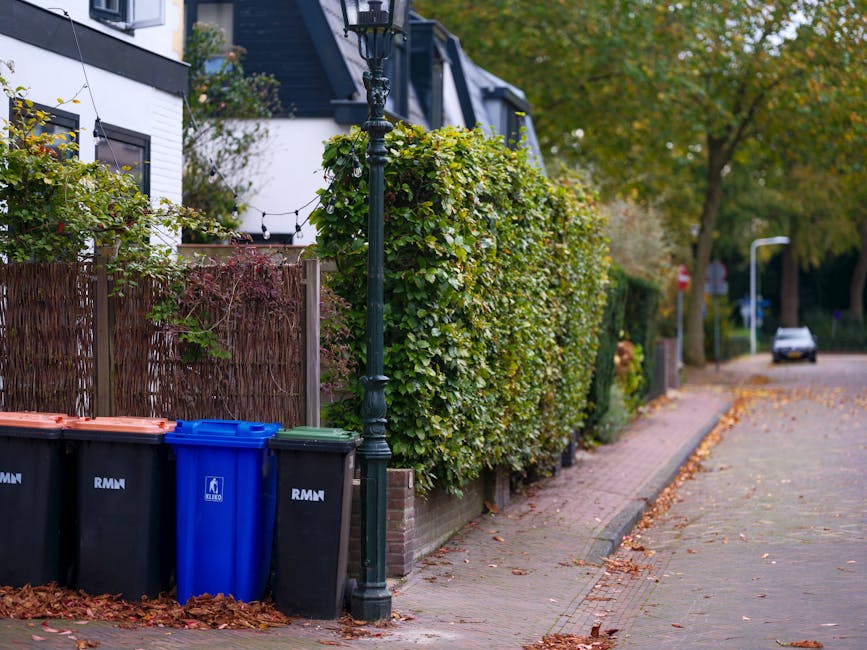
Moving house or office in Golders Green can feel like a battle with boxes, tape, and a growing pile of "what on earth do we do with this?" old furniture, broken appliances, and forgotten clutter. That is exactly where the legal waste disposal rules for Golders Green removals matter. If waste is handled badly, a simple move can turn into a compliance headache, a fly-tipping risk, or an awkward conversation with your landlord, managing agent, or local authority.
In plain English, this guide explains what counts as lawful disposal, what removal teams can and cannot take away, how to separate reusable items from waste, and how to avoid the common mistakes people make when clearing a property. You will also find practical steps, a checklist, and a realistic example so you can plan the move without second-guessing every bag and box.
Practical summary: legal waste disposal is not just about "getting rid of stuff". It is about using the right carrier, keeping waste traceable where needed, sorting items properly, and making sure nothing ends up dumped on a street corner or in the wrong bin by mistake. To be fair, that sounds more complicated than it usually is. Once you know the rules, it becomes a lot easier.
Why legal waste disposal rules for Golders Green removals matters
Golders Green removals often involve a mix of household rubbish, furniture, packaging, electrical items, and the odd piece of "we'll deal with it later" storage from a loft, garage, or back room. That mix is where trouble begins if waste is treated casually. A mattress left on the pavement, a van full of mixed rubbish with no proper disposal route, or an unlicensed collector taking away waste at the cheap end of the market can all create problems.
The legal side matters for three main reasons. First, duty of care: waste must be passed to the right people and handled responsibly. Second, environmental impact: recyclable and reusable materials should not be buried in a skip if they can be diverted. Third, liability: if your waste is fly-tipped, the person who produced it may still be asked questions. That last one catches a lot of people out. "I paid someone to take it" is not always the end of the story.
There is also the practical Golders Green angle. Flats, maisonettes, terraced homes, shared access roads, and tight parking all make poor waste planning a real nuisance. One missed item in the hallway can slow a removal down, and one poorly disposed load can cause delay, complaints, or extra charges. Nobody wants that on moving day, especially when the kettle is packed away and everyone is already tired.
How legal waste disposal rules for Golders Green removals works
The legal process is usually simpler than people imagine, but it needs a bit of structure. In a typical removal, waste handling starts before the van is loaded. Items are usually separated into four broad groups: keep, donate or reuse, recycle, and dispose. That decision is not just tidy thinking; it changes how the move is carried out.
Reusable furniture may be suitable for a furniture pick up, while general removal work may be better suited to broader support such as removal services or a smaller-scale man and van arrangement. For homes, many customers pair waste sorting with home moves or house removals, and businesses often need waste planning alongside commercial moves or office removals.
From a legal point of view, the crucial idea is that waste should go to an authorised destination through a lawful chain. In everyday terms, that means a competent removal provider should be able to explain where the waste is going, how it is separated, and whether any items are being recycled, reused, or disposed of. If someone shrugs and says "don't worry about it", you probably should worry a bit.
In some cases, specialist waste streams need extra care. Electricals, fridges, paint, batteries, and certain hazardous household materials should not just be bundled into a mixed rubbish load. Even if a move is happening on a Friday afternoon and everyone wants it over with, those items still need proper handling. Truth be told, that is exactly when mistakes happen.
Key benefits and practical advantages
Getting waste disposal right during a move is not only about avoiding problems. It also makes the whole removal cleaner, faster, and less stressful. A well-planned clearance means fewer surprises on the day, less back-and-forth with the vehicle, and less chance of paying for the same item twice because it was not sorted before loading.
- Lower legal risk: you reduce the chance of fines, complaints, and liability issues connected to improper disposal.
- Better time management: sorted waste means the removal team can work more efficiently.
- Cleaner property handover: especially useful if you are leaving a tenancy or selling a property.
- More recycling and reuse: better for the environment and often better for your conscience too.
- Less clutter on moving day: the whole place feels more manageable once the unwanted items are already separated.
There is another benefit that people often overlook: better decision-making. Once you see the categories clearly, you stop treating everything as "junk" and start seeing what can be passed on, what needs specialised disposal, and what can simply be taken to the next stage. It is a small shift, but it helps.
Who this is for and when it makes sense
This topic matters to anyone moving in or out of Golders Green who has more than a few bin bags to deal with. That includes renters clearing a flat, families downsizing, landlords turning around a rental, and office managers clearing obsolete furniture after a relocation. It also matters if you are helping an older relative move and dealing with years of accumulated items in cupboards, lofts, or a shed out back.
It makes especially good sense when:
- you have bulky waste like wardrobes, desks, sofas, or broken shelving;
- the property includes mixed waste and reusable items;
- you want to avoid leaving anything behind for the next occupier;
- you need a quick but lawful clearance before end of tenancy or completion day;
- you are comparing removal companies and want to know who handles waste responsibly;
- you need support beyond simple lifting and carrying, such as man with van removal or a larger moving van solution.
It is also relevant when the move is a bit messy. Let's face it, many moves are. The loft was "sorted last year", the garage became storage by stealth, and there is always one item nobody remembers until the last 20 minutes. That is normal. Good waste planning is what keeps normal from becoming chaotic.
Step-by-step guidance
If you want to handle waste properly during a Golders Green removal, use a simple sequence. It avoids last-minute panic and makes the legal side much easier to manage.
- Walk through the property room by room. Make a list of everything staying, everything going, and everything you are unsure about. A notebook or phone notes are fine.
- Split items into categories. Keep, donate, recycle, reuse, and dispose. Do not lump everything together just because it is easier.
- Identify special items. Electrical goods, batteries, fluorescent tubes, paints, solvents, and other awkward items need a closer look.
- Decide what can be collected with the move. Some items are suitable for removal with the furniture and boxes, while others need separate handling.
- Confirm how the waste will be transported. Ask whether the carrier is set up to take waste lawfully and whether mixed loads are separated responsibly.
- Keep basic records or confirmation. If you are a tenant, landlord, or business, keep a note of what was removed and by whom.
- Check the property after loading. Look in cupboards, under beds, inside loft access points, and behind doors. The tiny cupboard nobody mentioned is often the one that matters.
If you are dealing with a larger property, or you are combining disposal with packing and moving, consider using packing and unpacking services so the team can work in a more controlled way. It sounds like a luxury until you are staring at a mountain of boxes at 8pm and wondering why every charger in the house disappeared at once.
Expert tips for better results
There are a few habits that make legal waste disposal far smoother, especially in a busy part of north London where time and access matter.
Start with the awkward items first. Everyone likes sorting books and clothes. Nobody likes batteries, old chemicals, or broken appliances. Deal with the awkward stuff early, while your energy is still decent.
Keep reusable items visible. If something might be donated, resold, or collected separately, place it in one clear area. Once a sofa gets buried under random bags, it tends to become "waste" by default.
Ask direct questions before moving day. Who is taking the waste? Where is it going? Is recycling separated? Can hazardous items be accepted? A reliable provider should answer plainly. No jargon. No vague nodding.
Make access easier. In Golders Green, parking and stairs can be the real headache. Clear hallways, protect lifts where needed, and stage waste so the team can load it safely without blocking neighbours or creating a hazard. Quiet, efficient loading makes a difference. You can hear the difference, actually - less thudding, less dragging, less stress.
Use local common sense. If it looks too good to be true, it often is. A very cheap waste collection with no clarity on disposal is usually where problems start. There is no magic trick here, sadly.
Common mistakes to avoid
Most waste problems during removals come from rushing. People are tired, keys are being handed over, and someone says, "Just take everything." That phrase causes a surprising amount of trouble.
- Mixing hazardous items with general waste. This is one of the easiest ways to create a compliance issue.
- Assuming all removals include lawful disposal. Some services move items; others clear waste; not every booking includes both.
- Leaving everything to the last minute. Last-minute sorting leads to poor decisions and accidental disposal of useful items.
- Not checking whether a collector is appropriate for the waste type. General furniture removal is not the same as handling mixed rubbish.
- Forgetting shared spaces. Hallways, stairwells, and communal entrances need to stay clear.
- Not documenting what was removed. This matters more for landlords, businesses, and anyone leaving a property with questions around responsibility.
Another common slip: people think a "van load" means anything goes. It does not. A van is just transport. The legality comes from the way the waste is identified, handled, and passed on. Small distinction, big impact.
Tools, resources and recommendations
You do not need a complicated system to stay organised. A few simple tools usually do the job.
- Room-by-room checklist: keeps the removal focused and prevents missed items.
- Labelled bags or boxes: use "keep", "recycle", "donate", and "dispose" labels so everyone can see the plan.
- Phone photos: useful for property handover records and for remembering what was agreed.
- Basic item inventory: especially helpful for office clearances or larger house moves.
- Waste and recycling planning notes: jot down which items need careful disposal before the truck arrives.
If you are comparing providers, it can also help to look at pages that explain standards and expectations, such as health and safety policy, insurance and safety, and recycling and sustainability. Those pages do not replace legal advice, of course, but they can tell you a lot about how seriously a company treats responsible handling.
For commercial customers, it is also worth checking the broader service setup. A business clearance may sit alongside office relocation services, removal company support, or even a larger vehicle option like removal van or moving truck. Different jobs need different handling. Obvious, but easy to ignore when time is tight.
Law, compliance, standards and best practice
In the UK, waste disposal is governed by general legal duties around proper transfer, responsible handling, and preventing fly-tipping. In everyday removal work, the main practical point is simple: waste should only be given to someone who can lawfully take it, and it should end up in the right place. If a company is dealing with waste professionally, it should understand those responsibilities and be able to explain them in plain language.
Best practice usually includes:
- sorting reusable items away from waste where possible;
- keeping mixed waste under control instead of dumping it all together;
- separating special items that need extra care;
- using a reputable carrier or removal provider;
- keeping enough information to show how the waste was managed.
For tenants, that usually means leaving the property clear and avoiding damage or leftover rubbish. For landlords, it often means documenting what was left, what was removed, and whether any items needed specialist disposal. For businesses, the bar is a little higher because there may be office equipment, confidential materials, and more moving parts. Nothing dramatic, just more to think about.
If you are unsure, err on the cautious side. That is the best normal-person rule here. Keep what you can, recycle what makes sense, and only dispose of items through a route you can trust.
Options and comparison table
There is no single perfect method for every removal. The right approach depends on what you are clearing, how much there is, and how quickly you need it done.
| Option | Best for | Strengths | Watch-outs |
|---|---|---|---|
| Self-sorting before the move | Smaller domestic moves with time to plan | Good control, lower waste volume, easier recycling decisions | Takes time and effort; easy to leave it too late |
| Removal service with mixed clearance support | Typical house or flat moves | Convenient, efficient, less physical work for you | Need to confirm what waste is included |
| Furniture or item pick-up | Single items or a few reusable pieces | Ideal for bulky items that do not need full clearance | Not suitable for every type of waste |
| Office or commercial clearance | Business relocations and surplus equipment | Structured, scalable, better for larger volumes | May need more careful planning and records |
If your job is mainly a straightforward domestic move, a man with a van or man and van removals setup may be enough. If the property is larger or the job is more complex, a broader removals or house movers approach can make the waste side feel more controlled.
Case study or real-world example
A common Golders Green scenario goes like this. A couple is leaving a second-floor flat after several years. They have a sofa they no longer want, a broken chest of drawers, a pile of packaging from online purchases, two old bedside lamps, and a cupboard full of half-used household items. Nothing unusual. But left unmanaged, that mix can become a messy, time-consuming load on moving day.
They start three days before the move. One corner of the lounge becomes the sorting area. The sofa and drawers are marked for removal, the lamps are checked as electrical items, and the loose household bits are boxed separately for a final decision. Some items are kept, a few are handed on to family, and the rest are planned for lawful disposal through the moving team.
On the day, the loading is quicker because nobody is arguing over what stays and what goes. The flat is left clean, the stairwell is not blocked for long, and the end-of-tenancy handover is calmer than expected. A small detail, but it matters: they kept a quick note of what was removed. That gave them peace of mind later when the landlord asked for confirmation. No drama. Just tidy paperwork and a smoother exit.
That is the real value of legal waste planning. It is not glamorous. It just saves you from the kind of chaos that only shows up when you are already exhausted.
Practical checklist
Use this checklist a few days before your removal. It is simple, but it works.
- Walk through every room, cupboard, loft access, and storage area.
- Separate keep, donate, recycle, reuse, and dispose items.
- Identify electricals, batteries, paints, and other special items.
- Confirm which waste items the removal provider will take.
- Check whether anything needs a separate collection or special handling.
- Label bags, boxes, and larger items clearly.
- Keep hallways and exits clear on moving day.
- Take photos if you need a record for tenancy, landlord, or business handover.
- Do a final sweep before the vehicle leaves.
- Make sure nothing has been left in a cupboard "for later".
Get a free quote today and see how much you can save.
Conclusion
Legal waste disposal rules for Golders Green removals are not there to make moving harder. They exist to keep waste controlled, protect the environment, and stop simple moves from becoming avoidable problems. Once you sort items properly, choose the right removal support, and keep a small amount of evidence or confirmation, the whole process feels far more manageable.
Whether you are clearing a flat, moving a family home, or handling a commercial relocation, the same basic principle applies: do not leave waste handling to chance. A little planning before the van arrives can save time, money, and stress later. And honestly, that is a pretty good trade.
When in doubt, keep the process simple, ask clear questions, and use a removal team that treats waste responsibly. It makes the day go more smoothly, and it leaves you with one less thing to worry about. Which, on moving day, is worth a lot.
Frequently Asked Questions
What are the legal waste disposal rules for a house move in Golders Green?
The main rule is that waste must be handled responsibly and passed to someone who can lawfully take it. In practice, sort items before the move, separate reusable goods from rubbish, and make sure special items are not mixed into general waste.
Can a removal team take my old furniture and rubbish together?
Sometimes yes, but only if the provider is set up to handle both the move and lawful waste disposal. It is best to ask in advance, because furniture removal and waste clearance are not always the same service.
Do I need proof that my waste was disposed of properly?
It is wise to keep some confirmation, especially if you are a landlord, tenant, or business customer. A simple record of what was taken and by whom can be very useful later.
What happens if waste is fly-tipped after I paid someone to remove it?
That can still create problems for the person who produced the waste, particularly if the collector was not reputable. This is why choosing a lawful, responsible removal provider matters so much.
Are electrical items allowed in general household waste during removals?
No, not usually. Electricals should be separated and handled appropriately. Items like fridges, lamps, and old appliances need more care than a normal rubbish bag.
How should I dispose of bulky items before moving out?
Bulky items are often best handled through a dedicated furniture pick-up or a removal service that can clear them lawfully. Do not leave large items outside unless the collection arrangement is clear and authorised.
Is it cheaper to sort waste myself before the move?
Often it can be, because you reduce the amount that needs to be carried and disposed of. But there is a trade-off: it takes time and energy. If you are already stretched, a managed removal can be worth it.
What waste items need extra care during a move?
Batteries, paint, solvents, certain cleaning products, fluorescent tubes, and electrical goods are the main ones to watch. If you are unsure about an item, treat it cautiously rather than guessing.
Can offices in Golders Green use the same waste rules as homes?
The basic principles are similar, but commercial moves usually need more structure and record-keeping. Offices also tend to have more equipment, confidential material, and larger volumes of waste.
How do I know if a removal company is handling waste responsibly?
Ask clear questions about where waste goes, whether materials are sorted, and how reusable items are handled. A trustworthy provider should answer without fuss.
Should I book packing help if I have lots of waste to clear?
If the property is busy, mixed-up, or full of awkward items, packing support can make sorting much easier. It helps you separate what stays from what goes before the moving day chaos kicks in.
What is the best first step if I am overwhelmed by the amount of clutter?
Start with one room and one category. Do not try to solve the whole house in one go. A simple first pass is often enough to turn a stressful job into a manageable one.