Golders Green NW11: Moving Guide for Narrow Victorian Flats
Posted on 07/05/2026
Moving in Golders Green NW11 can feel straightforward on paper, then suddenly much less so when you meet a steep stairwell, a tight hallway, a low ceiling, or that awkward turn halfway up a Victorian landing. If you are planning a move into or out of a narrow Victorian flat, the challenge is rarely the distance. It is the access. The doors, stairs, parking, furniture angles, fragile items, and timing all matter more than most people expect.
This guide gives you a practical, real-world approach to moving in Golders Green NW11: Moving Guide for Narrow Victorian Flats. You will find a clear process, a checklist, common mistakes to avoid, and sensible links to deeper packing, lifting, storage, and removals resources so you can plan with less stress and fewer surprises.
Why Golders Green NW11: Moving Guide for Narrow Victorian Flats Matters
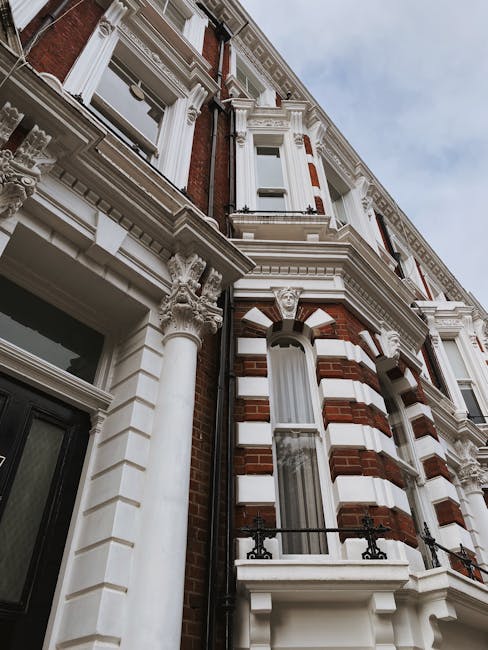
Victorian flats in Golders Green often have a lot going for them: character, natural light, high ceilings in some properties, and a sense of history that newer builds cannot really imitate. The downside is that many of them were not designed for modern furniture, large appliances, or the volume of possessions people typically own today.
That mismatch is the core reason this guide matters. A move can go smoothly in a building with wide communal corridors and lift access. A narrow Victorian flat is different. You may need to plan for a sofa that will not take a simple straight path, a bed frame that needs partial disassembly, or boxes that should never be carried in one oversized batch just to save time. Truth be told, the most expensive mistakes often begin with the sentence, "It should fit."
In practical terms, moving well in this setting means thinking about the building before thinking about the van. Which stair turns are tight? Is there enough landing space to rotate bulky furniture? Can the front entrance be left open safely while loading? Where will the vehicle stop, and for how long? These are not small details; they are the move.
If you are reducing clutter before the move, a good starting point is decluttering and simplifying before moving day. Fewer items means fewer tight carries, fewer decisions on the stairs, and a lower chance of damage. That matters more in a Victorian flat than almost anywhere else.
How Golders Green NW11: Moving Guide for Narrow Victorian Flats Works
The moving process for narrow flats works best when you break it into stages. The mistake many people make is trying to move everything on the day and solving access issues one by one in real time. That approach usually costs time and creates pressure. A better method is to assess, prepare, disassemble, protect, move, and then reassemble in a controlled order.
Start with a property walk-through. Measure the widest furniture pieces, but also measure the narrowest point in the route: door frames, stair bends, hallway pinch points, and any internal doors that must stay open during the move. For flats with awkward landings, take note of ceiling height too. A mattress can be technically narrow enough, but still impossible to tilt safely if the stairwell is low or the angle is poor.
Next, prepare items in a way that reduces bulk. This is where smart packing and disassembly pay off. Furniture that can be broken down should be broken down. Drawers should be emptied. Glass shelves should be wrapped separately. Keep screws, brackets, and fittings in labelled bags. If you want a practical packing refresher, the guide on packing well for a house move is a strong companion piece.
Loading also changes in a narrow-flat move. Rather than carrying a long list of items back and forth, it is usually more efficient to set a route order: small boxes first, medium items next, bulky or fragile items after the path is cleared, and the most awkward pieces last. That keeps stairwells clearer and reduces the risk of a sudden block in the middle of the process.
Where heavy or unusual items are involved, specialist handling may be sensible. Pianos, for example, are rarely a DIY job in a tight Victorian staircase. For more background, see why DIY piano moving goes wrong and the related piano removals service page. The same thinking applies to oversized sofas, wardrobes, or very heavy beds.
Key Benefits and Practical Advantages
A well-planned flat move in Golders Green NW11 offers more than convenience. It protects the property, reduces physical strain, and helps you settle in faster. In a narrow Victorian building, those benefits become especially noticeable.
- Less damage to walls, bannisters, and flooring: Tight corners are where scuffs happen. Planning the route lowers the risk.
- Reduced lifting stress: Smaller loads and better sequencing mean less strain on your back, shoulders, and grip.
- Faster access control: A clear plan helps you keep hallways, stairs, and entrances usable.
- Better furniture survival: Disassembly and wrapping protect items that would otherwise scrape or twist.
- Lower emotional friction: A move feels calmer when you know the difficult pieces have already been accounted for.
There is also a financial upside. Preventing damage is usually far cheaper than replacing a scratched door, repairing a chipped wall, or fixing a broken handle on a wardrobe. If you are comparing service options, it can help to look at the broader range of removal services available in Golders Green and whether your move is better suited to a dedicated flat removals approach rather than a generic transport-only booking.
Expert summary: In narrow Victorian flats, the safest move is rarely the fastest one at first glance. It is the one that reduces turns, weight, and uncertainty before anyone steps onto the stairs.
Who This Is For and When It Makes Sense
This guide is for anyone moving in or out of a Victorian flat with limited access, especially if the building has narrow internal stairs, compact hallways, shared entrances, or awkward parking nearby. It is equally useful if you are downsizing, moving in with a partner, leaving rented accommodation, or transporting furniture into a top-floor flat.
It also makes sense if you are a student, first-time renter, or someone moving with a small team rather than a full household crew. A lighter move does not automatically mean an easy move. In a tight property, even a few bulky items can be enough to create a bottleneck. If that sounds familiar, student removals in Golders Green can be a practical fit for smaller moves with a lot of access constraints.
Commercial moves are less common in Victorian flats, but the same access logic applies. A home office, studio, or small practice room can still include equipment that needs careful handling. If you are relocating a work setup, the principles in this guide still help, even if the space is smaller than a typical family home.
Finally, this is a useful guide if you are not sure whether you need one vehicle, a man and van setup, or a larger removals team. The decision usually comes down to access, item size, and how much help you want on the stairs. If you are still weighing the options, it is worth reviewing man and van services in Golders Green alongside house removals and general removals support.
Step-by-Step Guidance
1. Survey the flat and the route
Begin with a careful look at the entire route from room to vehicle. That includes the front door, stairwell, landings, outside access, pavement space, and parking distance. If there is a narrow bend, treat it as a load-bearing decision point rather than a minor obstacle.
2. Measure the awkward items first
Do not start with boxes. Start with the things most likely to fail at the door frame: sofa arms, bed bases, tall bookcases, mirrors, and appliances. When possible, measure the item after removing legs, cushions, or detachable parts. A sofa that seems impossible as one piece may pass cleanly once the legs are off and the route is clear. For storage-sensitive upholstered furniture, this guide to sofa storage techniques is also useful if anything needs to be held temporarily.
3. Declutter before packing
The less you move, the better your odds. Sort items into keep, donate, recycle, and bin. Be decisive. Moving four boxes of things you no longer want is not efficient; it is just exhausting with better branding. If you need a stronger framework, the article on strategic decluttering offers a practical approach that transfers well to flat moves.
4. Pack by room and by fragility
Label boxes clearly and avoid overfilling them. In a narrow stairwell, medium-weight boxes are often safer than giant ones because they are easier to carry close to the body. Pack fragile items with enough cushioning to survive small knocks, but do not create oversized, awkward parcels that are hard to grip.
5. Disassemble what you can safely remove
Bed frames, shelving, table legs, mirrors, and curtain poles often come apart more easily than people expect. Keep fixings in labelled bags and tape them to the item or place them in a clearly marked box. For beds and mattresses specifically, these bed and mattress moving tips can help you avoid common strains and scratches.
6. Protect the building as well as the items
Use blankets, corner guards, and wraps where appropriate. In a Victorian flat, protecting the staircase and wall edges is just as important as wrapping the furniture. A short carry through a tight hall can still cause damage if corners are exposed.
7. Load strategically
Place the most frequently accessed items near the front of the van. Keep essentials separate. If you have a freezer, drinks, or food stock that needs special treatment, review freezer storage advice before moving day so perishables are not an afterthought.
8. Move in the right order
It usually makes sense to move smaller boxes first, then medium items, then the larger pieces once the route is clear. That reduces congestion in the building. If you are moving alone for part of the day, read solo heavy lifting advice and never try to be heroic on a narrow staircase. The stairs do not care about enthusiasm.
9. Reassemble and check the new space
Once you arrive, resist the urge to unpack everything at once. Put large furniture in place first, then beds, then essentials, then the rest. In a compact flat, unpacking in the wrong order can block doors and make a small space feel even smaller.
Expert Tips for Better Results
In our experience, the best narrow-flat moves are won by small decisions made early. A few practical examples can make a big difference.
- Keep one "access box" handy: Tape, knife, labels, markers, wipes, a screwdriver, and spare bags should be easy to reach.
- Use furniture sliders carefully: They are helpful on some floors, but less so on steep stairs. Do not rely on them blindly.
- Protect corners first: The corner of a dresser will usually hit a wall before the flat surface does.
- Work in short, deliberate carries: Rushing through a tight landing usually causes the mistake you were trying to avoid.
- Pre-clear the destination room: If possible, set furniture placement before the van arrives.
If you want a calmer approach to the whole process, the article on moving without stress is a useful mindset piece, while this guide to a calmer house move focuses on the practical side.
One more useful habit: photograph the setup of beds, shelves, and electronics before dismantling them. That simple step can save time later, especially when you are tired and standing in a half-furnished room wondering where the extra bolt went.
Common Mistakes to Avoid
Narrow Victorian flat moves tend to go wrong in predictable ways. Avoiding these mistakes will save time and frustration.
- Not measuring the route: People measure furniture but forget the staircase bend or door swing.
- Leaving packing too late: Last-minute packing leads to overfilled boxes and poor labelling.
- Assuming the sofa will "just angle in": Sometimes it will; sometimes it will not. Measure first.
- Ignoring parking and loading access: If the van cannot stop close enough, every item becomes heavier.
- Trying to carry too much at once: A box that is technically liftable may still be unsafe on stairs.
- Failing to protect walls and bannisters: One bad corner can create a repair job.
- Forgetting cleanup time: End-of-tenancy cleaning should not be left until the last 20 minutes.
For the final handover, it is worth reviewing cleaning before moving out. A tidy exit matters in rented flats, but it also makes the move feel complete rather than chaotic.
Tools, Resources and Recommendations
For a tight Victorian flat move, the right tools make the job safer and cleaner. You do not need every item on the market, but you do need the basics.
| Tool or Resource | Why it helps | Best used for |
|---|---|---|
| Heavy-duty boxes | Safer to carry and less likely to split | Books, kitchenware, small household items |
| Furniture blankets | Protects surfaces and corners | Sofas, tables, wardrobes, drawers |
| Stretch wrap | Stops doors and drawers opening mid-carry | Cabinets, chest of drawers, shelving |
| Labels and marker pens | Makes unloading faster and more organised | All packing stages |
| Screwdriver set and bagged fixings | Speeds up disassembly and reassembly | Beds, furniture, fittings |
| Working gloves | Improves grip and reduces scrapes | Lifting and stair carries |
For a more complete service setup, look at the support pages on packing and boxes in Golders Green, storage options if you need to stage items temporarily, and furniture removals for larger household pieces.
If budget and timing are part of your decision, the pricing and quotes page is a useful next stop. It is better to understand scope early than to discover on move day that a "small flat move" is actually three stairs, two wardrobes, and a very determined sofa.
Law, Compliance, Standards, or Best Practice
A residential move is not usually legally complicated, but there are still sensible compliance and best-practice points to consider. If you live in a rented flat, you may need to meet tenancy requirements around notice, cleanliness, and key return. Always check your agreement carefully rather than assuming the process is the same for every landlord.
For movers and removal providers, best practice typically includes safe lifting, proper vehicle loading, careful handling of property, and appropriate insurance cover. If you are comparing providers, ask direct questions about goods-in-transit protection, public liability, and how breakages are handled. A clear policy matters more than confident-sounding language.
It is also sensible to check how a company handles security, privacy, and complaints. Those pages do not move your sofa, but they do show how the business works. You can review insurance and safety information, payment and security details, and complaints procedures before booking. If sustainability matters to you, the recycling and sustainability page is also worth a look.
For anyone carrying out the move themselves, safe lifting technique is not optional. A little lifting discipline prevents a lot of next-day regret. The guide on kinetic lifting gives a practical introduction to moving more efficiently and with less strain.
Options, Methods, or Comparison Table
The best moving method for a narrow Victorian flat depends on your furniture, your access, and how much help you want. Here is a simple comparison.
| Method | Best for | Pros | Watch-outs |
|---|---|---|---|
| DIY with car and friends | Very small moves, light loads | Low upfront cost, flexible timing | Risky with stairs, slower, more physical strain |
| Man and van | Medium-small flat moves, a few bulky items | Practical, cost-effective, easier loading | May still need help with awkward furniture |
| Full flat removals team | Heavier moves, many items, limited access | More hands, better handling, less stress | Usually costs more than a minimal setup |
| Split move with storage | Decluttering, refurbishment, delayed move-in | Flexible staging, less pressure on move day | Needs planning and added logistics |
If your flat is especially tight, a hybrid approach often works best: use professional support for the heavy or awkward items, and handle light boxes yourself. That gives you control without turning the whole day into an endurance test. If your move is last-minute, a same-day option may be worth checking as well via same-day removals in Golders Green.
Case Study or Real-World Example
Consider a typical NW11 scenario: a couple moving out of a first-floor Victorian flat with a narrow stairwell, two bedrooms, and a large corner sofa. The sofa is the obvious problem, but not the only one. There is also a bed frame, a washing basket full of odds and ends, several boxes of books, and no lift.
The successful approach starts two days before moving day. The couple measures the stairwell bend, removes the sofa feet, empties the bed frame, and labels every box by room. They also clear the hallway in advance and reserve the easiest parking spot they can reasonably manage. On the day itself, the small boxes go out first, the bed frame is dismantled and wrapped, and the sofa is carried last after a route check.
The result is not glamorous, but it is efficient. Nothing is forced through the stairwell, the walls stay intact, and the furniture arrives ready to reassemble. The move feels calmer because the difficult parts were solved before the van doors opened. That is the real lesson here: narrow-flat moving rewards preparation more than speed.
If you want to reduce the moving load further, use the same pattern recommended in better packing guidance and decluttering before the move. Those habits often do more than any single lifting trick.
Practical Checklist
Use this checklist before moving day. It is intentionally simple, because simple is what you want when the stairs are narrow.
- Measure the widest furniture and the narrowest access points
- Confirm parking and unloading space near the property
- Decide which items must be dismantled
- Label boxes by room and priority
- Pack an essentials bag for the first night
- Protect floors, corners, and bannisters where needed
- Set aside tools, fixings, tape, and markers
- Book help for heavy or awkward items
- Check tenancy or handover requirements if you are renting
- Clean the property before final departure
- Keep valuables and documents with you
- Take photos of furniture and electronics before dismantling
Quick calm-down tip: if something seems too awkward to carry safely, it probably is. That is not weakness; that is experience speaking before the bruises do.
Conclusion
Moving in Golders Green NW11 narrow Victorian flats is all about respecting the space. The property's charm is part of its appeal, but that same charm usually comes with tight routes, awkward turns, and limited forgiveness for rushed decisions. Once you accept that, the move becomes much easier to plan.
The smartest approach is simple: measure early, declutter honestly, pack in a controlled way, disassemble what you can, protect the building, and choose the right level of moving help for the items you own. Whether you are relocating a studio flat or a full home, the same principle holds true: the best move is the one that feels orderly by design, not by luck.
If you are still deciding how much help you need, explore the service pages, read the safety and pricing information, and compare your options before moving day arrives.
Get a free quote today and see how much you can save.